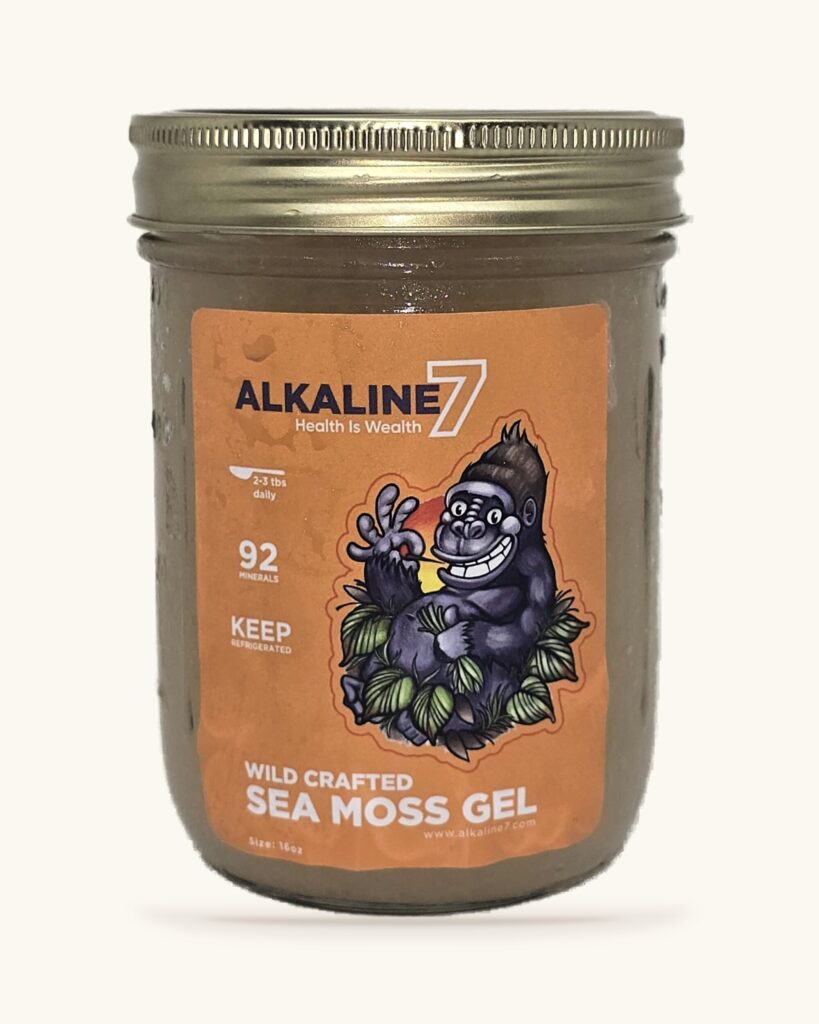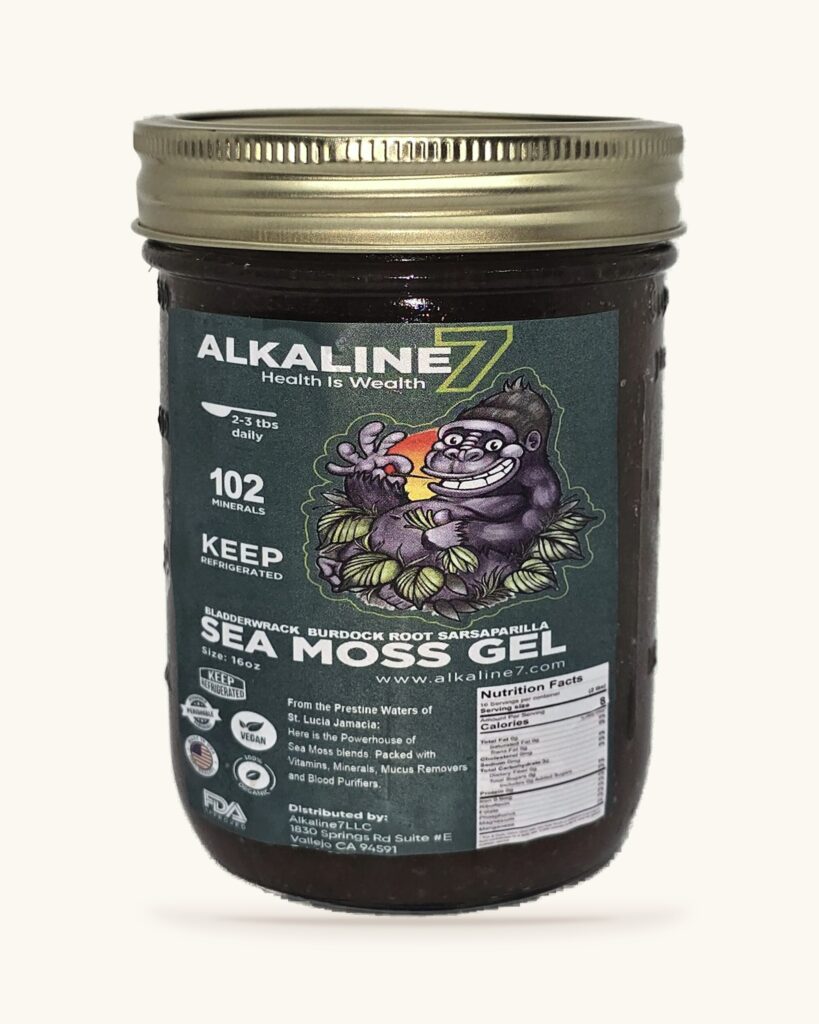
A small box, roughly 6 × 9 × 6 inches, about 2 lb per jar. Inside: your jars wrapped in foil bubble insulation and packed with dry ice. Every order moves USPS Priority Mail and typically arrives within 3 to 5 business days. Open it, feel the jar, refrigerate.
That is the whole answer. The rest is the walkthrough, because “refrigerated food, sent through the mail” is what many people pause on at checkout — and the honest fix for that pause is showing you exactly what lands on your step.
Before it ships — packed cold
Orders are packed cold, so the jar starts the journey at temperature rather than being chilled down in transit. A cold jar in an insulated wrap stays cold longer; a room-temperature jar in the same packaging would spend the coolant on catching up.
Step 1 — The outer box
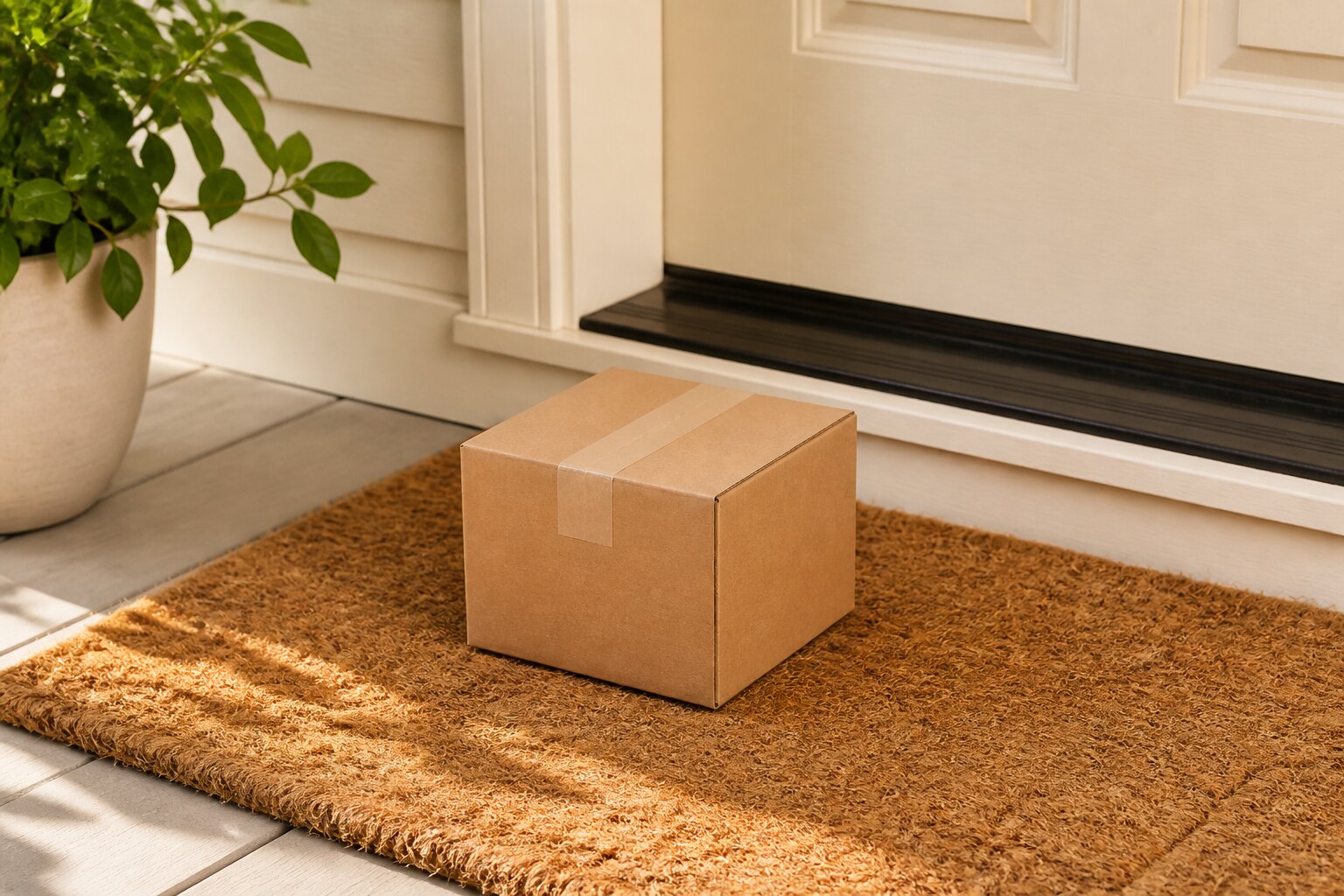
It is smaller than people expect. A 6 × 9 × 6 inch box, declared at 2 lb per jar for rating, carrying USPS Priority Mail service markings and your tracking number.
Small is deliberate. Empty air is volume the coolant has to chill for no benefit, and room for a jar to shift and take a knock. A box built to its contents holds temperature better than a bigger one.
What to check at this step: the box should be intact and dry on the outside. A crushed corner or a wet patch is worth photographing before you open anything.
Step 2 — Foil bubble wrap
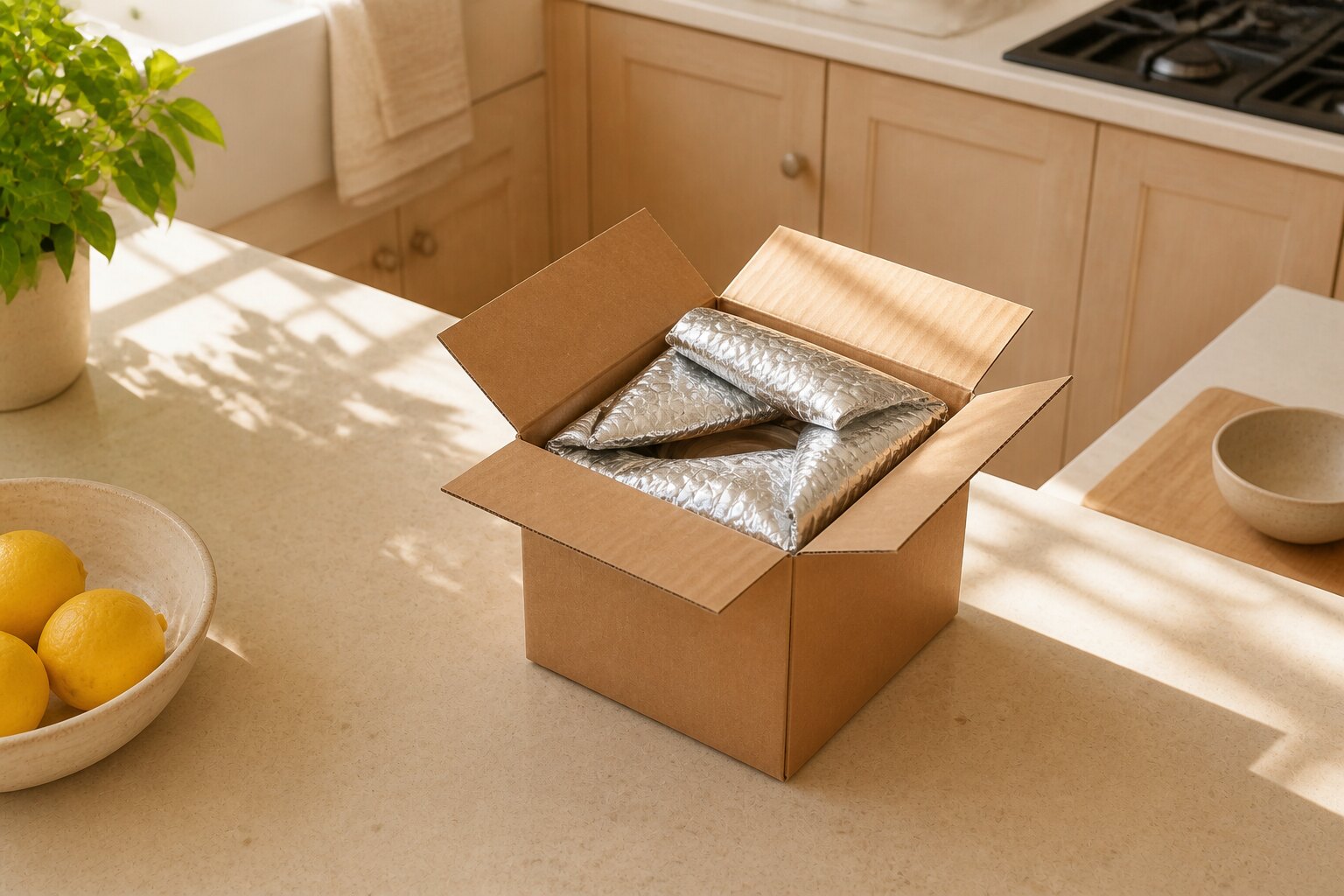
Cut the tape and the first thing you meet is not the jar — it is a silver layer. The package is wrapped in foil bubble insulation: a bubble core for dead-air insulation, a reflective face that pushes back radiant heat from a hot porch or a van roof. The coolant sets the temperature inside; this layer decides how long it lasts.
What to check at this step: nothing, really. Peel it back. If it is damp, that is condensation — warm room air meeting a cold surface — and it is expected, not a leak.
Step 3 — Dry ice

Alkaline7 ships with dry ice — solid carbon dioxide at roughly −109°F / −78°C — rather than gel packs. Two reasons: it holds a far lower temperature, and it does not melt into a puddle. It sublimates, going straight from solid to gas.
Here is the part that surprises people: there is often no dry ice left when you open the box. That is the coolant having absorbed heat in transit and finished its job. An empty coolant space is a successful shipment, not a short-shipped one. Judge the jar, not the pack.
If pellets are still there, treat them as a cold hazard and not a mystery:
- Never touch dry ice with bare hands. CDC guidance is explicit — handle it with insulated or cryogenic gloves, and wear eye protection when you are moving quantities of it. Tongs or a folded dry towel work for the few pellets in a food box. Contact with skin causes a cold burn quickly.
- Let it sublimate in a well-ventilated room. Set the open box somewhere with airflow and leave it. Dry ice becomes carbon dioxide gas, which is heavier than air and pools in low, enclosed spaces, displacing breathable air.
- Never a sealed container. A closed cooler, a screw-top jar, or a zip bag will pressurize as the gas expands. Cornell’s environmental-health guidance and the Compressed Gas Association both make the same point: store and transport dry ice only in containers that vent.
- Never a drain, a sink, or a toilet — the cold damages plumbing — and never a closed trash can.
- Never a closed car. Don’t drive with dry ice in a sealed cabin; crack the windows.
- Keep it away from children and pets.
Step 4 — A cold jar

Everything above exists to deliver this: a jar, sealed and cool to the touch, with KEEP REFRIGERATED printed on the front next to the serving line.
Pick it up. It should feel cold — the way something out of the back of a fridge feels. That is the one check that matters, and it takes two seconds.
Your first 10 minutes
We pack it to arrive cold. Once it lands, this last stretch is yours, and it is short.
- Bring the box inside as soon as it lands. A porch in afternoon sun runs hotter than the air temperature. This is the highest-value item on the list.
- Open it within a few minutes. The insulation was sized for transit, not for a second day in your entryway.
- Feel the jar. Cool to the touch, seal intact, jar undamaged.
- Ignore the coolant’s condition. Gone is fine. Gone is normal.
- If dry ice remains: gloves, tongs, or a folded towel — never bare hands. Leave it to sublimate in a ventilated room. Never a sealed container, a drain, or a closed car.
- Refrigerate immediately — back of a middle shelf, not the door. The door is the warmest part of any fridge.
- Photograph anything wrong before you unpack further: a broken seal, a damaged or leaking jar, a jar at room temperature. Photos taken as you open the box are what support will ask for.

Then it is a jar in your fridge, and the storage guide takes it from there — or, if the question is how long you have, how long does sea moss gel last.
What if it arrives warm?
Separate two situations, because they look similar and are not.
Cool jar, no coolant left, delivered on schedule. Normal. Refrigerate and carry on.
Room-temperature jar, or tracking showing the box sat undelivered for days. Not normal. Don’t taste it to decide — under federal food-safety guidance, perishable food held above 40°F for more than two hours should be discarded, and temperature-abused food can carry pathogens with no change in smell or taste.
The policy, plainly: if an order arrives damaged, leaking, spoiled or incorrect, contact Alkaline7 with your order number and a photo within 48 hours of delivery, and we will replace it or refund it. That is why photographing first and unpacking second is worth the ten seconds.
Why we only ship Priority
Ground service is not offered for this product, and that is a deliberate removal rather than an oversight.
USPS describes Priority Mail delivery as 2–3 days, and Alkaline7 quotes 3 to 5 business days for an order to arrive. The store’s standard is blunt: it has to be Priority, because anything slower risks the jar spoiling in transit. A ground quote that saves a few dollars and adds two days is a worse deal than it looks.
The USPS Priority rate for your address is shown at checkout, and orders of $100 or more ship free — which is usually the point at which a multi-jar order becomes the cheaper way to buy. Alkaline7 ships within the United States only. Moving a jar yourself, by car or by plane, is a different problem with different rules — traveling with sea moss gel covers it.
Why we don’t hand a perishable to the weekend
Pack-out is timed so that a jar isn’t sitting in a carrier facility over a weekend. An order that would dwell goes out the next business day instead.
It is an unglamorous rule that matters more than most of the packaging. Insulation buys hours; a Sunday in a sorting facility spends them.
Delivery-day tips
Ship it where someone is. A work address, a neighbor who is home, a building with a front desk — any of these beat an empty house in July. It is a common, avoidable failure.
Be careful with mail holds and package lockers. A USPS hold, a vacation hold, or an outdoor parcel locker can park a perishable for days, and neither the carrier nor we can see that coming. If you have a hold scheduled, don’t order into it.
Watch the tracking, not the calendar. Priority Mail gives you a tracking number at dispatch. If it shows a delay, that is the moment to arrange for someone to grab the box — not after it has sat on the step since morning.
Sources
- CDC, Dry Ice Safety — gloves, eye protection, ventilation; accessed 2026-08-23.
- Cornell University Environment, Health and Safety, Dry Ice Tip Sheet — vented storage, CO₂ accumulation in low spaces; accessed 2026-08-23.
- Compressed Gas Association, Dry Ice Safety — no sealed containers, no closed vehicles; accessed 2026-08-23.
- FDA, Safe Food Handling — the two-hour rule and the 40°F threshold; accessed 2026-08-23.
- USDA FSIS, “Danger Zone” (40°F–140°F) — accessed 2026-08-23.
- The printed Alkaline7 jar label — the printed KEEP REFRIGERATED instruction.
- Alkaline7 published FAQ and Refund and Returns policy — packed cold, USPS Priority, 3 to 5 business days, the 48-hour replace-or-refund policy and the $100 free-shipping threshold; accessed 2026-09-30.
- USPS, Priority Mail — delivery in 2–3 days; accessed 2026-09-30.
- Alkaline7 founder interviews, 2026 — dry ice and foil bubble wrap pack-out, 2 lb declared weight, 6 × 9 × 6 in box, USPS Priority-only rationale, and the no-weekend-dwell practice.