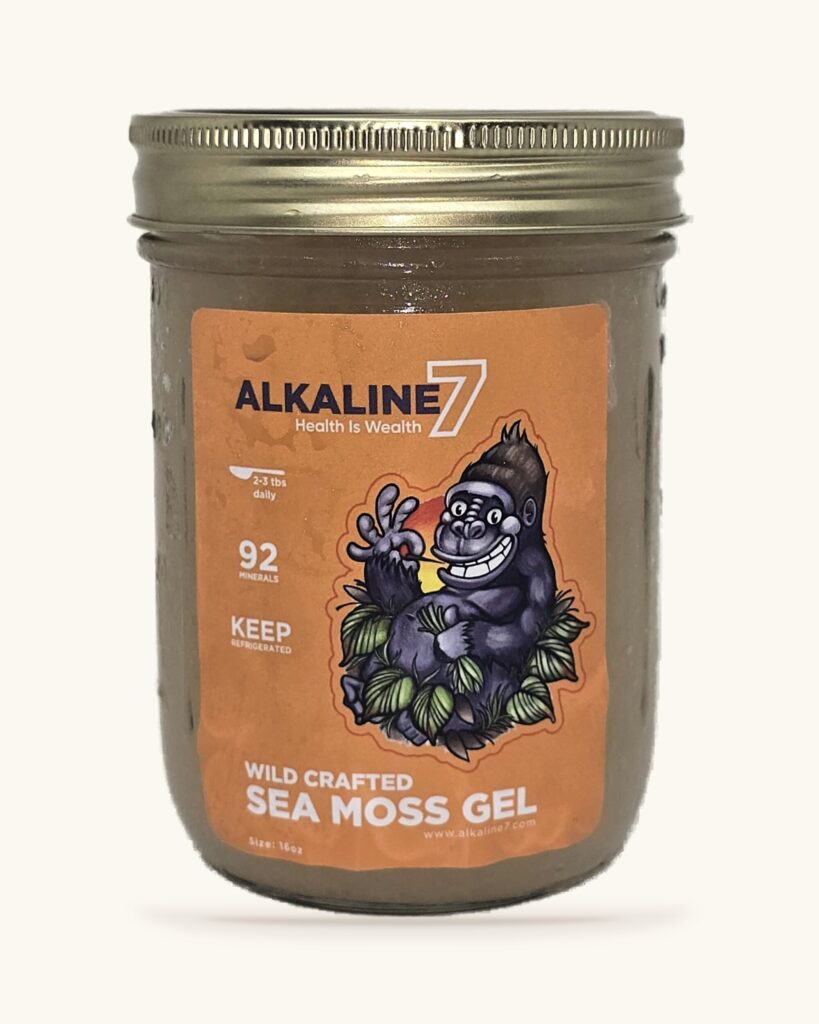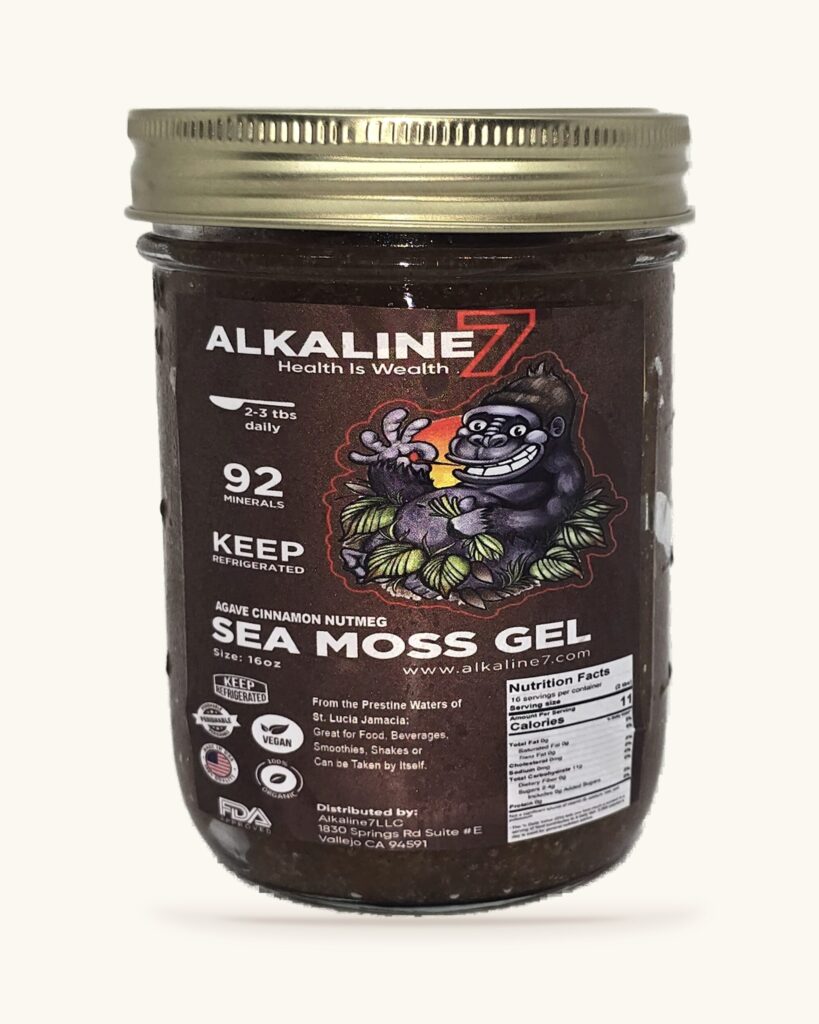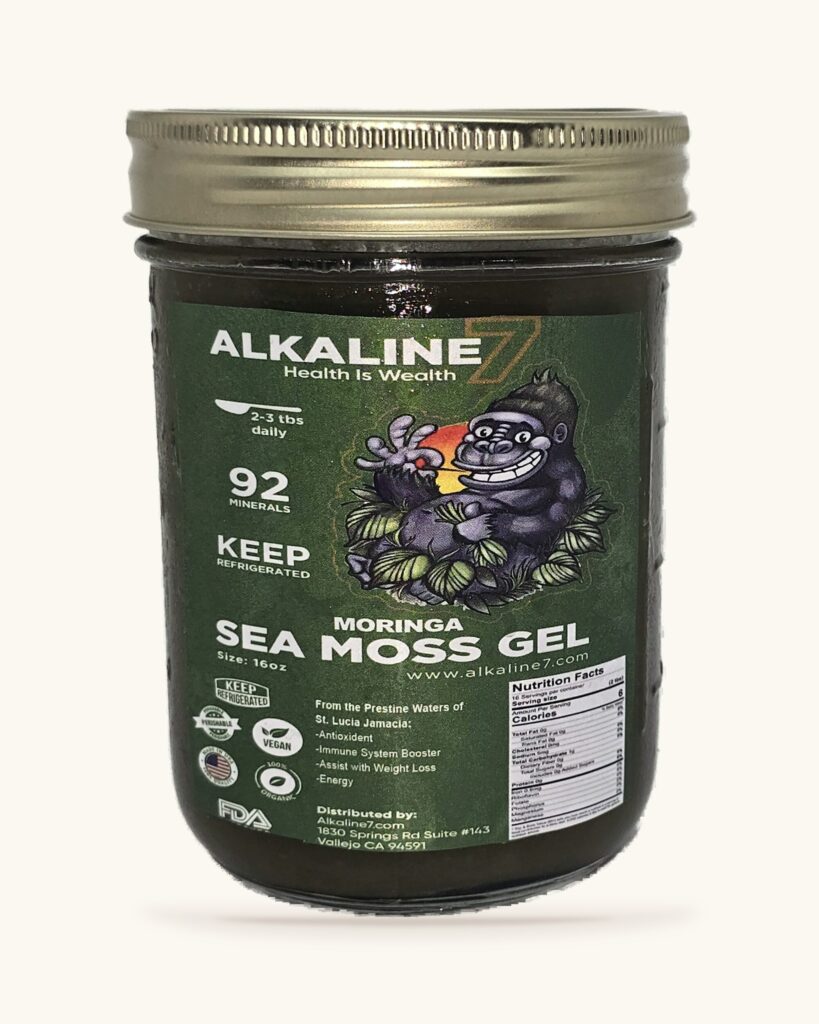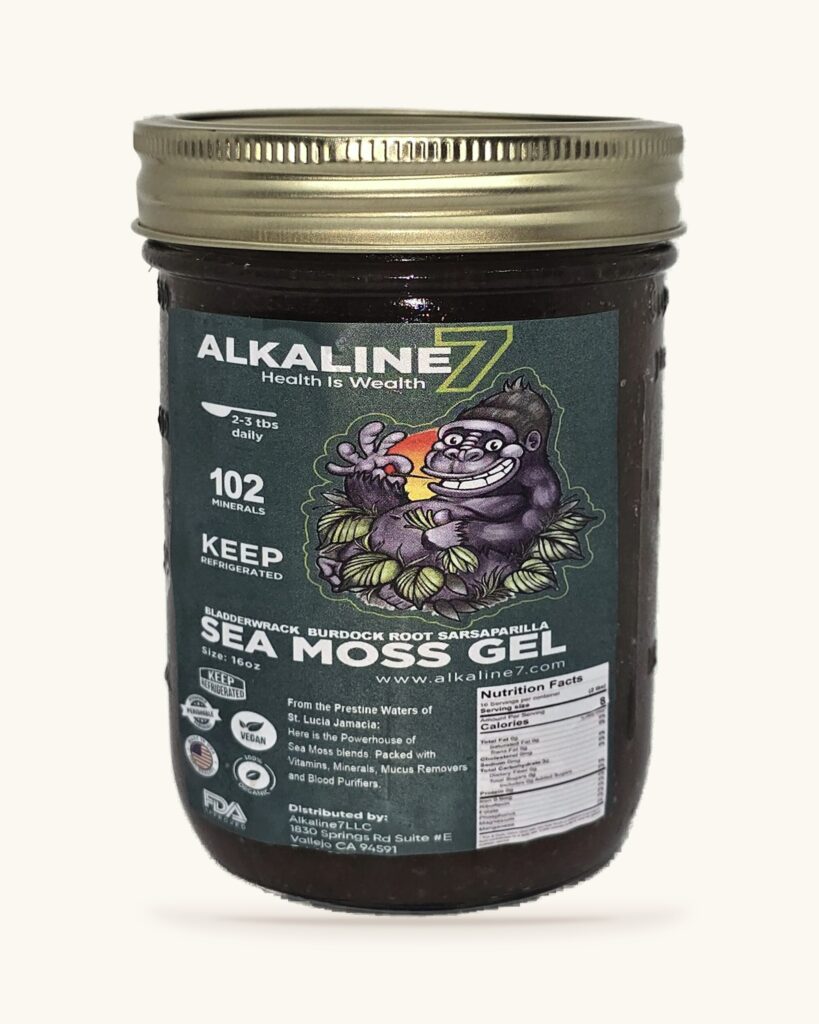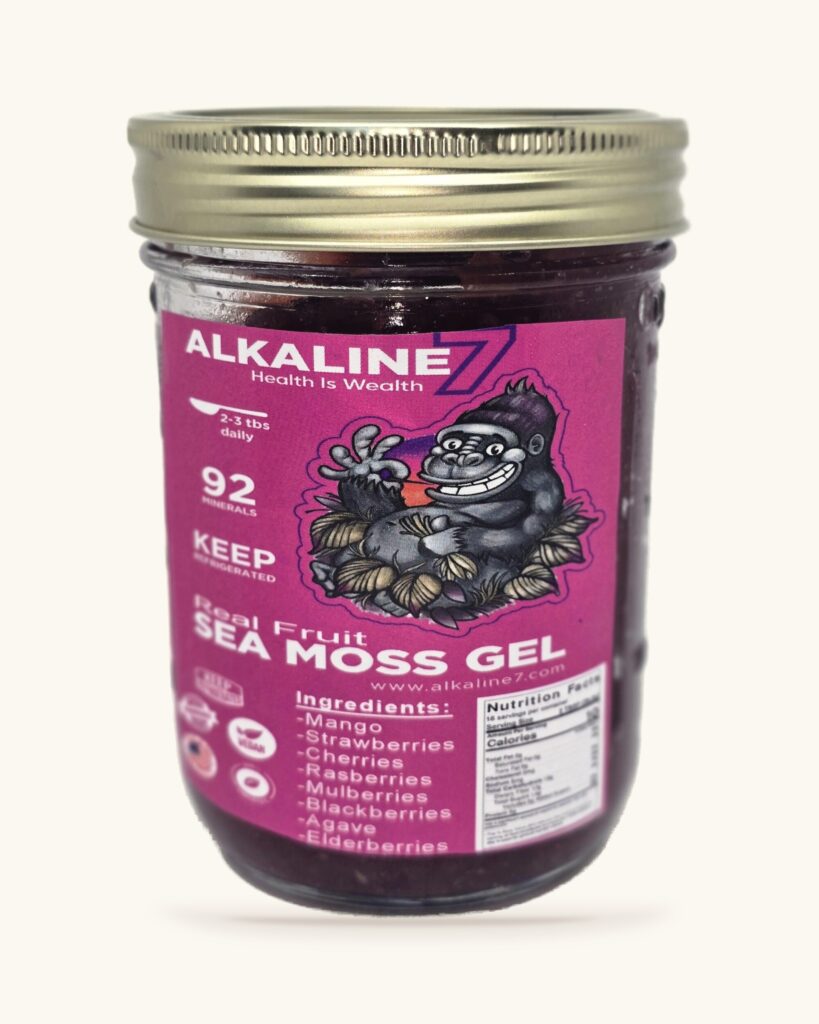
The label’s serving suggestion is three words: 2-3 tbs daily. That is a portion printed on a food label, not a dose, and it is the number to plan a jar around. Inside a recipe, use less than instinct says — a heaped scoop changes the body of a drink. A 16 oz jar holds 32 tablespoons.
What we verified — 2026-10-01
The “2-3 tbs daily” wording, the 16 oz jar size and the nutrition panel’s 16 servings of 2 tablespoons were read off the printed Alkaline7 jar labels; the 16 oz jar size and the $100 free-shipping threshold were rechecked on alkaline7.com on 2026-10-01. This page is about serving sizes and recipes. It is not medical advice and says nothing about what the food does. If you have a medical condition, are pregnant or nursing, or take medication, talk to a qualified health professional before changing what you eat.
What the jar says
The jar says it in three words: 2-3 tbs daily. Read that as a serving suggestion printed on a food label, which is what it is. It is not an intake target, we do not describe it as one, and there is no “more is better” version of this page.
Within a recipe, use less than instinct suggests. Sea moss gel thickens, and a heaped scoop noticeably changes the body of a drink.
| Jar | Label serving suggestion | Easiest way to use it | Notes on flavor |
|---|---|---|---|
| Sea Moss Gel — $24.99 | 2-3 tbs | Blended or stirred in | Unsweetened; disappears into anything |
| Agave, Cinnamon & Nutmeg — $29.99 | 2-3 tbs | Straight from the jar | Warm and lightly sweet |
| Moringa — $29.99 | 2-3 tbs | Smoothies and savory bases | Grassy, faintly peppery |
| Bladderwrack, Burdock & Sarsaparilla — $34.99 | 2-3 tbs | Paired with a strong flavor | Earthiest in the range |
| Elderberry & Mixed Berry — $29.99 | 2-3 tbs | On its own or over yogurt | Fruit-forward, sweetest |
What a tablespoon of gel actually looks like
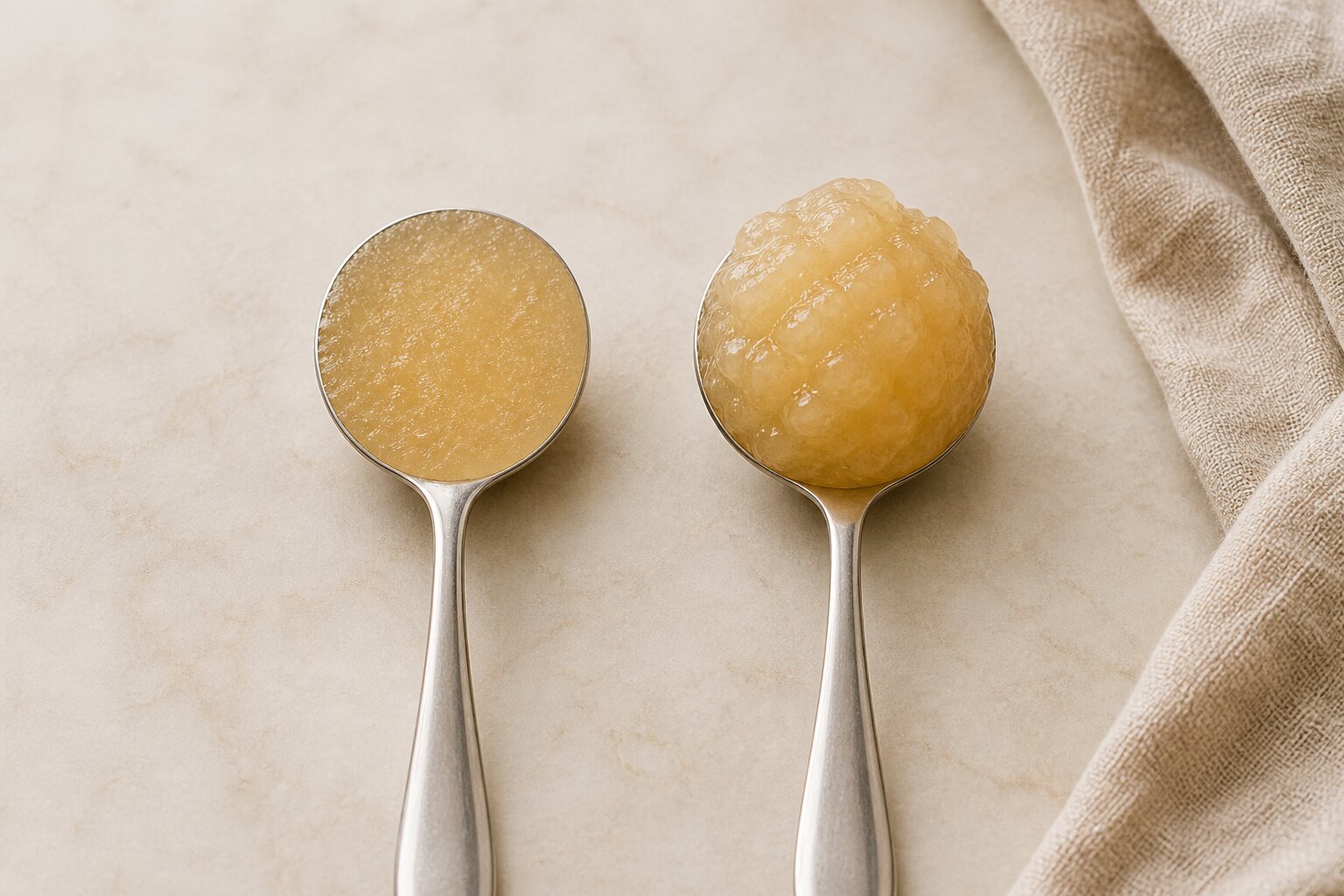
A tablespoon of gel is not a tablespoon of milk, and this is where most of the confusion lives. The gel holds its shape, so a level tablespoon — filled and struck flat against the rim of the jar — is a low, glossy mound that sits in the bowl of the spoon without doming. A heaped tablespoon of a firm plain gel can be half again as much, because the gel supports its own overhang the way soft cheese does and water never would.
Against the label’s serving suggestion, that difference matters: three heaped spoons of the plain jar is closer to four and a half level ones, and the jar empties in a week rather than two. When a recipe below says a tablespoon, it means a level one.
Two practical reference points. A standard ice-cube well holds about 1 fl oz, roughly 2 tablespoons — so one well is one label serving, and the tray is the easiest measuring device in the kitchen. And the softer jars (Agave, and Elderberry & Mixed Berry) level themselves in the spoon, so a heaped spoonful of those is much closer to a level one than it is with the plain gel.
Portions by use
| Use | Amount | Why |
|---|---|---|
| Straight from the jar | 1–2 tbsp | Cold, one clean spoon, done |
| Smoothie (16 oz) | 2 tbsp | Adds body without turning it into pudding |
| Smoothie made with milk or oat milk | 1–1½ tbsp | Dairy protein amplifies the set; use less |
| Hot coffee or tea (8–12 oz) | 1 tbsp | Loosen in a little hot liquid first; more can clump |
| Oatmeal or overnight oats (1 bowl) | 1–2 tbsp | Stir at the end |
| Chia pudding (2 servings) | 2 tbsp | The chia is already setting; gel adds silkiness |
| Yogurt or a smoothie bowl | 1 tbsp swirled | Keeps the swirl visible |
| Soup or stew (4 servings) | 2–3 tbsp | Off the heat, whisked in as a thickener |
| Salad dressing or sauce (½ cup) | 1 tbsp | Emulsifies and holds the dressing together |
| Pancake or waffle batter (8–10 cakes) | 2 tbsp | Softer crumb; reduce other liquid slightly |
| Popsicles or frozen cubes (per cube) | ~1 tbsp | Portioned once, used all week |
The full method for each of these is in the recipes guide.
Portion math: how long does a jar last?
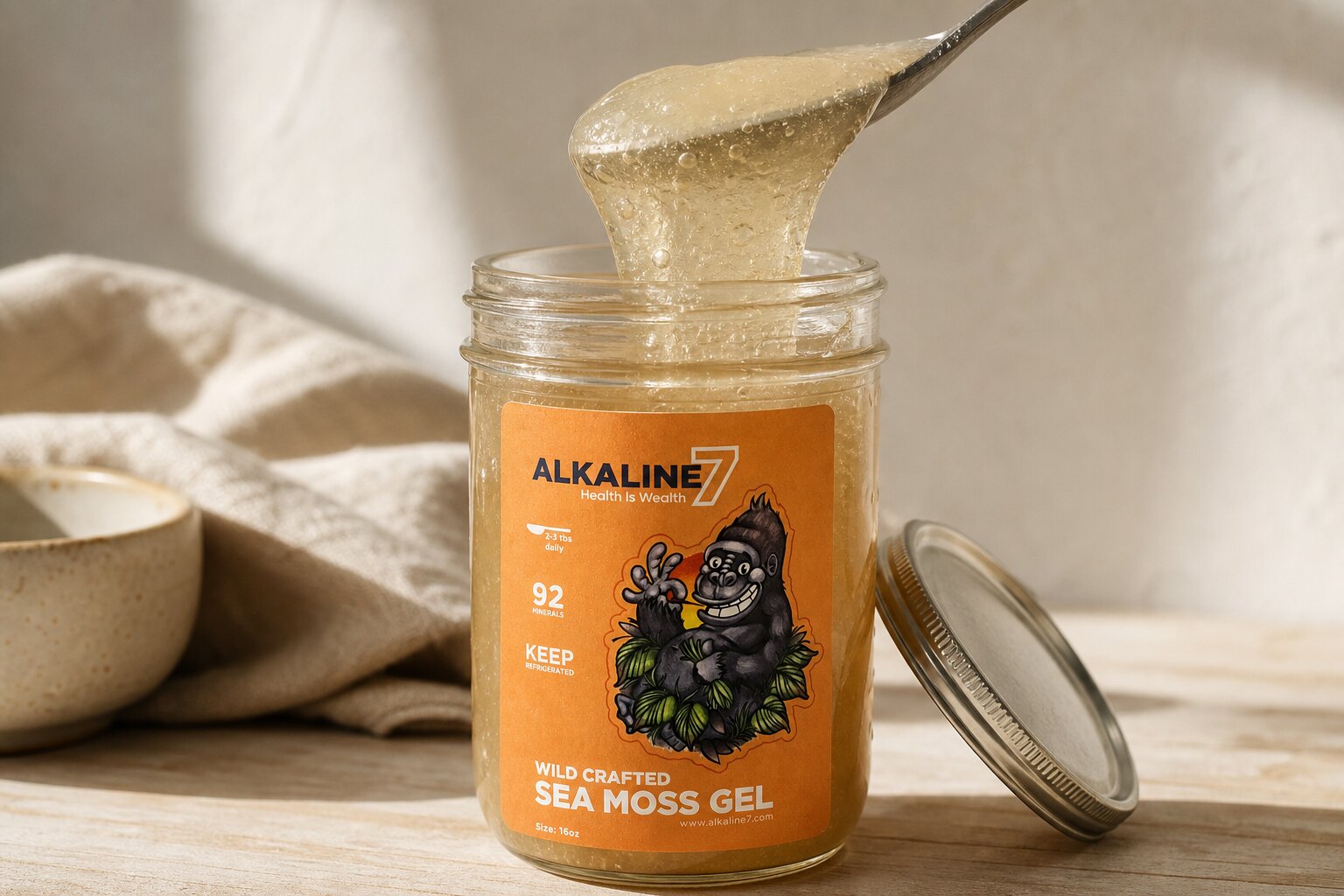
The plain, Agave, Moringa and three-root jars are 16 oz, and the nutrition panel divides that into 16 servings of 2 tablespoons — 32 tablespoons in a jar. At the label’s 2-3 tbs serving suggestion, that is roughly eleven to sixteen days per jar for one person — about two to three jars a month.
A two-person household runs the same jar down in five to eight days, which is a common surprise in the first month. Two people at the label’s suggestion is four to six tablespoons a day, and a 32-tablespoon jar does not stretch. The practical answers are to buy in twos — which also clears the $100 free-shipping threshold sooner and amortises one cold pack-out over more jars — or to split the jar on day one and freeze half.
If you are cooking with it rather than spooning it — dressings, soups, batters — a jar stretches considerably further, because recipe amounts are 1–3 tablespoons spread across four servings.
| Household | Daily use | 16 oz jar lasts |
|---|---|---|
| One person, label serving suggestion | 2–3 tbsp | 11–16 days |
| One person, cooking with it | ~1 tbsp | 3–4 weeks — the refrigerated window becomes the limit, not the jar |
| Two people, label serving suggestion | 4–6 tbsp | 5–8 days |
| One person, one cube a day from the freezer | 1 tbsp | 32 days of cubes from one jar |
Note the second row: for a light user the 3-to-4-week refrigerated window runs out before the jar does. That is the case for freezing part of it rather than buying a smaller jar.
Sources
- The printed Alkaline7 jar label — 16 oz jar size, the nutrition panel’s 16 servings at 2 tbsp, the printed “2-3 tbs daily” serving line, and the ingredient panel for each variety.
- Alkaline7 published FAQ and product pages, alkaline7.com — the 3-to-4-week refrigerated window, the 16 oz jar size and the $100 free-shipping threshold; checked 2026-10-01.